Introduction to Software Development Life Cycle
The is a structured methodology used by the software industry to design, develop, and test high-quality software to complete within time and cost estimates.
The Phases
The classical SDLC typically follows a series of distinct phases. Each phase relies on the information from the previous phase to produce its own deliverables.
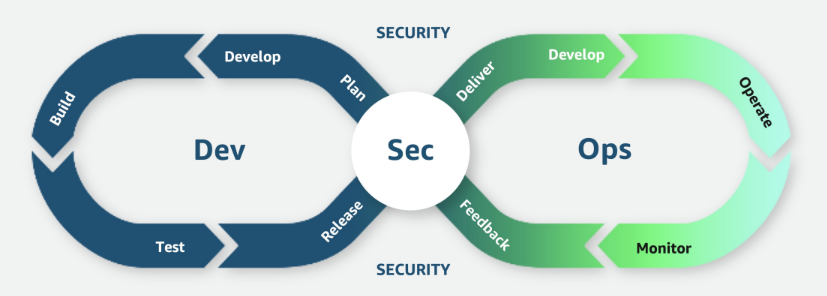
- Planning and Design: Gathering requirements and architecting the solution.
- Code: The actionable part where developers write the software.
- Verify: Testing the software to ensure it solves the problem and is bug-free.
- Integrate: Combining modules and managing dependencies.
- Release: Packaging and preparing the software for delivery.
- Deploy: Moving the software to production environments.
- Operate: Running the software in the real world.
- Monitor: Observing system health and user behavior.
The Evolution to AI
While the core principles of SDLC remain constant, the tools and methodologies are evolving. Generative AI is now enhancing each of these stages, offering not just automation but of human capabilities.
Generative AI is revolutionizing the SDLC by:
- Reducing Overhead: Automating documentation and repetitive tasks.
- Predicting Issues: Using historical data to foresee risks in planning or deployment.
- Accelerating Creation: Generating code, tests, and configurations near-instantly.
One issue that software teams often face is questions over the positive impact of AI tools. Jellyfish helps provide productivity insights and usage data to help teams understand the impact of AI tools.
When developing AI-driven technologies, it is often best to follow an iterative development process, cyclying through the SDLC phases multiple times before entering the maintenance phase, helping fully refining the technology to real world use cases.